Hydraulic Lift Gates Save per Mile vs Manual Ramps
We compare the actual operating cost of hydraulic lift gates with the cheap‑look manual ramps most contractors slap on their trucks. Most guides ignore downtime and per‑mile expense, so you’ll see why the pricey option often pays for itself.
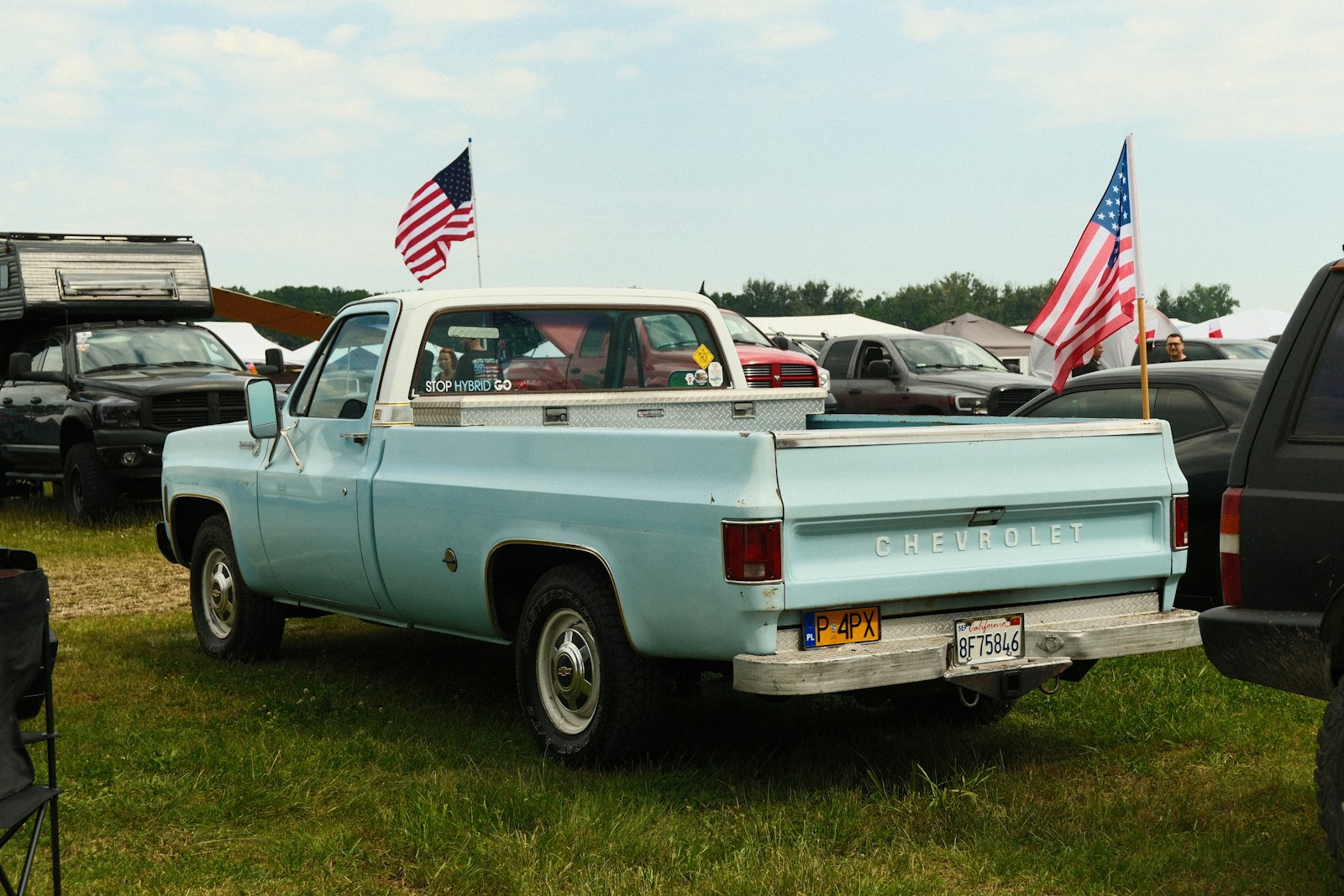
When a 7,500‑lb service truck stalls on a job site because a cheap ramp buckles, the bill you foot includes more than the $300 purchase price. Every minute the crew spends wrestling with a stuck platform eats into the profit margin you calculated on the original bid. Regulations in many municipalities require a functional loading device for certain load classes, and failure can trigger fines or a forced stop. In the end, the decision between a hydraulic lift gate and a manual ramp becomes a question of cash flow versus compliance risk.
Can a manual ramp survive a full day of drywall deliveries?
When a crew loads three pallets of 4‑by‑8 sheetrock on a standard aluminum ramp, the weight often exceeds the 1,200‑lb rating stamped on the rail. A sudden shift in the load can pry the ramp from its brackets, forcing a manual reset that takes at least ten minutes and usually requires a second worker to hold the gate steady. The resulting delay adds fuel consumption for idle engine time and obliges the driver to waste extra miles returning to the yard for a replacement part. Even if the ramp survives the day, the cumulative wear shortens its usable life to well under a year in high‑volume operations.
Do hydraulic lift gates really cut per‑mile cost, or is that hype?
If the hydraulic system raises a 2,500‑lb load in under three seconds, the driver can pull away without lingering at the dock, shaving roughly 0.2 gallons of diesel per stop. The average diesel price fluctuates, but that small saving translates to about $0.60 per job when the truck makes ten stops in a typical day. Adding a gate also reduces the number of trips needed to reposition cargo, because the platform can tilt slightly to accommodate awkward dimensions. Over a month of 250 jobs, the fuel advantage alone can offset a portion of the $2,000‑$4,000 upfront cost.
What hidden expenses turn a cheap ramp into a budget nightmare?
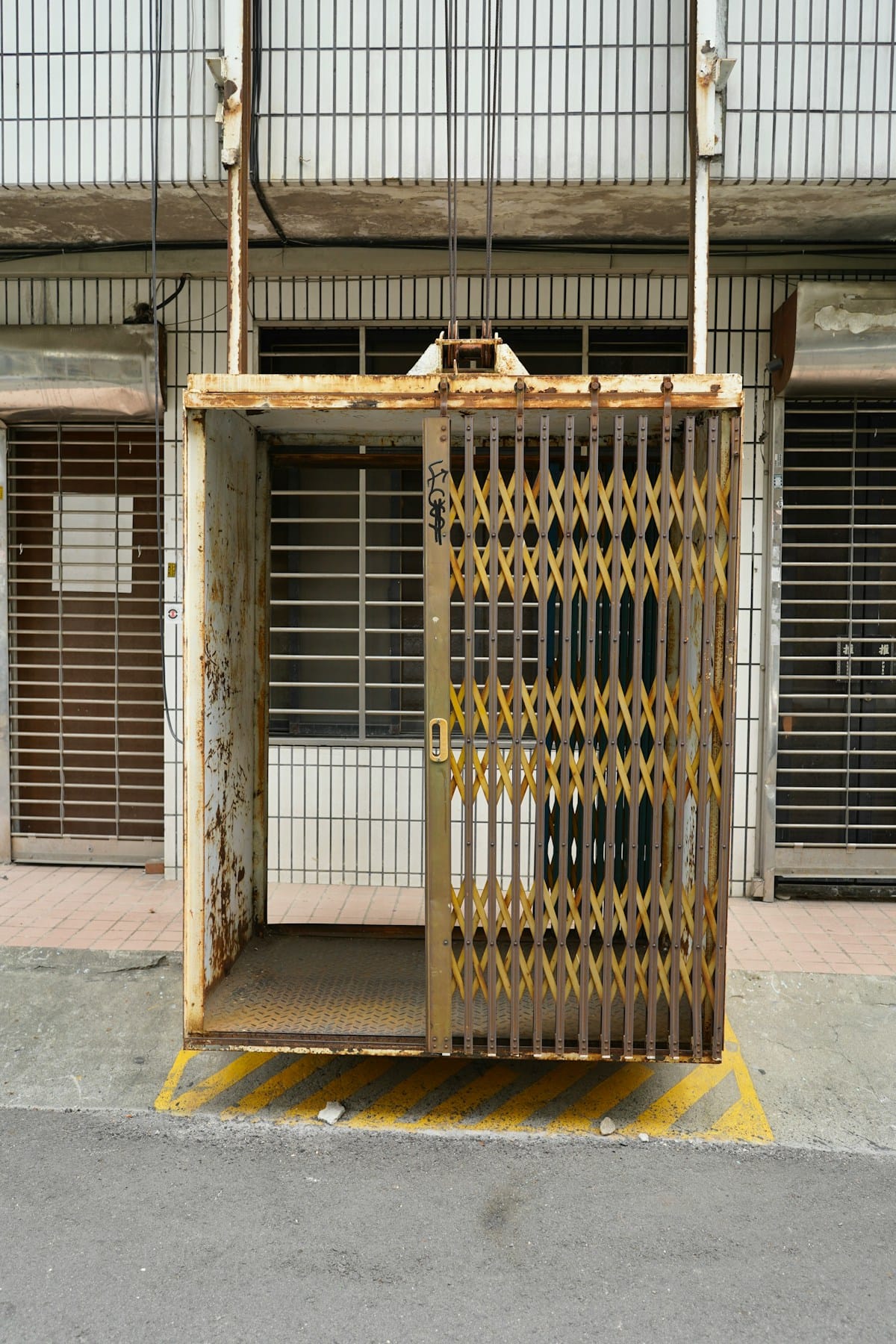
Most contractors overlook the fact that a low‑priced ramp often arrives without certified welds, meaning a shop must spend additional labor to reinforce the mounting points. Even a modest $150 bolt‑on kit can double the total expense once installation time and shop overhead are factored in. Insurance carriers sometimes raise premiums for trucks equipped with non‑rated loading devices, especially after a claim involving a ramp failure. In regions with strict OSHA interpretations, a failed ramp can trigger an inspection that halts work for days, adding indirect costs that far exceed the original purchase price.
How does downtime from a stuck ramp affect your profit margin?
Every hour a driver idles while waiting for a crew member to straighten a warped ramp translates into lost billable time. Assuming a $75 hourly rate for labor and a $0.45 per‑mile fuel cost, a two‑hour stall on a 12‑mile route erodes $189 of revenue. The ripple effect includes missed appointments, rescheduling fees, and the potential loss of repeat business from a dissatisfied client. When you aggregate such incidents across a fleet of three trucks, the annual revenue hit can climb into the five‑figure range, dwarfing the modest savings advertised by the ramp’s low sticker price.
Practical steps to decide and budget for the right upfit
Here, start by cataloguing the heaviest single load you expect to move on a regular basis; the figure will set the minimum rating for any device you consider. Budget for a hydraulic gate that offers at least a 1.5‑times safety factor above that number, which typically lands in the $2,000‑$4,000 bracket for a mid‑size pickup. Allocate an extra $300‑$600 for professional installation, because a proper hydraulic pump and wiring harness demand more than a weekend DIY job. Compare the total outlay against the fuel savings estimate of $0.50‑$0.80 per day, and run the numbers over a 24‑month horizon to see if the payback period fits your cash‑flow plan. Finally, request a written warranty that covers hydraulic seals for at least three years, as seal failure is the most common repair that can erode the anticipated return on investment.
What to double‑check before you sign any invoice
Before you hand over a check, verify that the lift gate’s load rating matches the specification you recorded during the initial assessment. Confirm that the manufacturer’s certification includes the specific vehicle model you own, because mismatched brackets can cause premature wear. Ensure the installation quote lists labor hours separately from parts, so you can spot hidden markup on shop time. Ask for a copy of the warranty terms and note any exclusions related to improper use or aftermarket modifications. A quick phone call to the dealer’s service department can also reveal whether they have a local parts depot, which will shorten any future repair downtime.
---
Keep reading
Trim 30% Tool‑Swap Time and Save per Mile with Modular Racks
You’ll learn how to evaluate modular tool storage for rapid reconfiguration and how hidden costs can erode your mileage budget. Most guides miss the real trade‑offs between weight, compliance and true ROI.