Trim 30% Downtime with Predictive Maintenance on 3 Trucks
Learn the exact data streams and budget line items that keep a three‑vehicle fleet rolling. Most guides gloss over integration pain and hidden subscription tiers, leaving contractors with surprise invoices.

The bottom line for any contractor is that a single missed service can stall a job, bleed cash, and trigger compliance headaches—all before the next paycheck arrives. When you’re juggling hourly labor rates, material markup, and tight project windows, guessing when a pump will fail is a gamble you can’t afford.
Why Guesswork Costs More Than Sensors?
A broken hydraulic pump on a day‑site truck often translates into a lost crew and an overtime bill that dwarfs the price of a preventive sensor. The average repair ticket for a midsize work truck sits somewhere between three and six thousand dollars, not counting the lost billable hours. By contrast, a vibration sensor that flags an anomaly a few hundred miles early costs a fraction of that.
Mechanics who rely on “listen to the engine” instincts are still valuable, but human ears can’t detect the high‑frequency signatures that a well‑tuned algorithm spots. Those signatures appear long before a leak or a bearing seizure becomes audible, giving you a window to schedule maintenance during a slow period.
Which Data Points Actually Predict a Breakdown?
Engine RPM, fuel temperature, and oil pressure are the obvious candidates, yet they’re only half the story. Real‑time fuel consumption trends reveal a gradual efficiency dip that often precedes injector wear. Meanwhile, GPS‑derived idle time correlates with clutch slip in trucks that spend a lot of time in traffic jams.

A surprising predictor is the alternator’s voltage ripple during rapid acceleration; spikes there often hint at a failing diode that later scorches the regulator. Ignoring that metric means you’ll be replacing the alternator under warranty after it has already caused a battery cascade.
How to Pick a Software That Talks to Your Trucks
Most platforms market “plug‑and‑play” but require at least one CAN‑bus adapter per vehicle, a hardware cost that rarely appears in the brochure. Verify that the vendor supports the exact year‑make‑model of your three rigs; older trucks sometimes need a protocol bridge that adds $200‑$500 per unit.
Look for a solution that offers on‑premise data storage as an option; cloud‑only services can become costly when you exceed the free data‑ingest tier, which is typically a few megabytes per day per truck. A hybrid approach lets you keep the most recent 30 days in the cloud while archiving older logs locally.
What the Real Upfront and Ongoing Expenses Look Like
Initial hardware outlay ranges from $150 for a basic OBD‑II dongle up to $600 for a multi‑sensor CAN interface that captures temperature, pressure, and vibration. Installation labor can be a couple of hours per vehicle if your shop already has the tools, translating to roughly $300‑$500 in shop time.
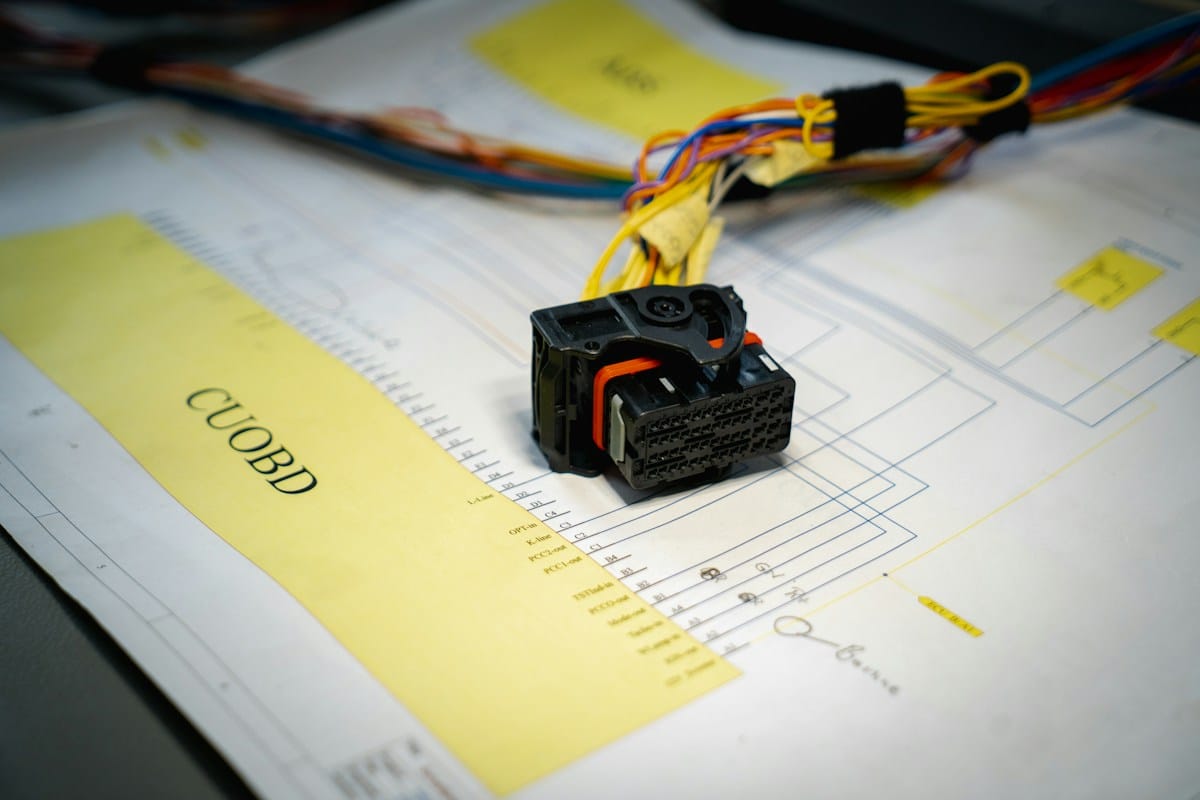
Subscription fees usually follow a per‑truck, per‑month model. Expect to see $120‑$250 for a tier that includes alerts, dashboards, and basic analytics. Advanced predictive models that incorporate machine‑learning add another $80‑$150 per truck per month, plus a possible one‑time model‑training fee of $1,000‑$2,000.
Don’t overlook the cost of data connectivity. If you rely on cellular LTE, a modest plan with 1‑2 GB of monthly data per truck runs $15‑$30 per month, but spikes in telemetry can push you into a higher tier quickly.
Step‑by‑Step Rollout Plan for a Tiny Fleet
Start by selecting a single truck that represents the most demanding use case—often the one that hauls the heaviest equipment. Mount the chosen sensor suite, document the wiring, and run the software’s calibration wizard for at least 48 hours before trusting any alerts.
Next, define a threshold hierarchy: green for normal variance, amber for early‑stage wear, and red for imminent failure. Tie those thresholds to your shop’s work‑order system so that an amber alert automatically creates a “check‑up” ticket, while a red alert generates a high‑priority service call.
Finally, expand to the remaining two trucks after you’ve validated that the alerts line up with actual wear patterns. Use the same threshold set, but adjust the alert frequency based on each vehicle’s duty cycle; a truck that idles 60 % of the day may need tighter oil‑temperature limits than a dedicated haul‑away unit.
What to Double‑Check Before Paying Anything
Confirm that the vendor’s SLA includes a response time under two hours for critical alerts; any longer lag defeats the purpose of predictive maintenance. Verify that the contract lets you export raw data in CSV or JSON format without a penalty, because lock‑in can cripple future analysis. Ensure that the hardware warranty covers at least one year and that replacements ship within five business days, otherwise a failed sensor becomes another downtime event.
---
Keep reading
Trim TPMS Downtime 30% and Save per Mile
You’ll learn how to tune tire‑pressure monitoring so a dead sensor stops costing you a day’s work. Most guides gloss over sensor lifespan and data‑driven baselines, which is where the real savings hide.