Skipping the Right Tires Can Add Thousands to Your Fleet’s Fuel Bill
You’ll learn how to read tire specs so low‑rolling‑resistance doesn’t mean a weaker load rating. Most guides gloss over the mismatch between EPA fuel numbers and real‑world payload demands.
The bottom line for any contractor running a handful of pickups is simple: a tire that rolls easier but can’t hold the weight you load onto it becomes a hidden expense faster than a busted axle. Every mile you’re under‑inflated, every extra trip caused by a premature blowout, and every hour your crew spends waiting for a spare adds up in ways that a spreadsheet can’t capture. The tension sits between the promise of a few percent fuel savings and the reality of a truck that can’t meet the job’s weight specs.
Can a low‑rolling‑resistance tire still carry a 7‑ton load?
Manufacturers publish a “low‑rolling‑resistance” badge, but the fine print often hides a reduced load index. The index is a numeric code that translates directly to pounds; dropping from a 124 to a 115 can shave a few hundred pounds off the maximum payload. For a crew that routinely hauls concrete mixers or HVAC units, that shortfall forces you to split loads or risk overloading the axle. Over a season, the extra trips multiply fuel consumption far beyond the advertised savings.
A quick way to verify the claim is to pull the DOT code off the sidewall and compare the load index to the vehicle’s Gross Vehicle Weight Rating (GVWR). If the tire’s index falls short, the low‑rolling‑resistance label is essentially a marketing gimmick. The mismatch shows up on the shop floor when a driver reports “the truck feels lighter” but the load gauge still reads full.
Why manufacturers’ load‑index charts mislead contractors
The charts in most catalogs list the maximum load at a standard inflation pressure, assuming the tire is brand‑new and the vehicle is level. In the field, you’re dealing with uneven terrain, temperature swings, and inevitable pressure loss. Those variables shrink the true safe load, sometimes by as much as ten percent. When you pair a low‑rolling‑resistance compound with a sidewall designed for comfort rather than stiffness, the tire flexes more under weight, increasing heat buildup.
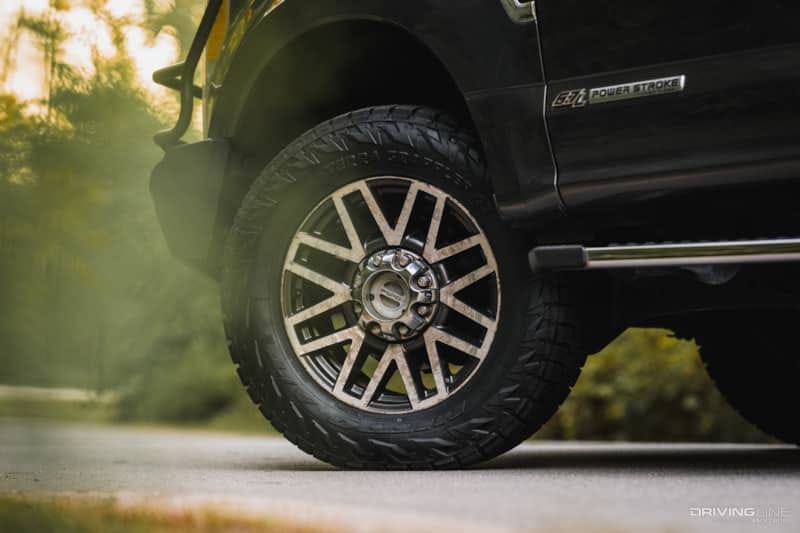
Heat is the silent killer of tire life. An overloaded, flexing tire can reach temperatures that accelerate tread wear and push the bead off the rim. The result is a cascade: you replace tires sooner, you lose the fuel‑saving benefit, and you risk a roadside failure that halts a job site. The charts rarely mention this temperature factor, leaving contractors to discover it the hard way.
What the EPA fuel‑economy test leaves out for work trucks
EPA numbers are derived from a controlled chassis dynamometer, where the vehicle rolls on a smooth belt at a steady speed. Your pickups spend half their time on gravel, potholes, and steep grades, conditions that dramatically increase rolling resistance. The test also uses a “light‑load” scenario, whereas a contractor’s truck is often at 80‑90 % of its payload capacity.
Because the test ignores these real‑world stresses, a tire that shows a 3 % improvement on paper can deliver only a 1 % gain—or even a loss—once you factor in the extra flex from a heavier load. The discrepancy is why some fleets report fuel bills that climb despite switching to “green” tires.
How to compare sidewall stiffness without a dyno
Most shops lack a dynometer, but you can still gauge sidewall rigidity with a simple bounce test. Press the tire’s sidewall with a calibrated weight and watch the rebound distance. A stiffer sidewall will return quicker and travel less distance before settling. Record the bounce height for each candidate tire; the one that stays lower under the same weight typically offers better load support.
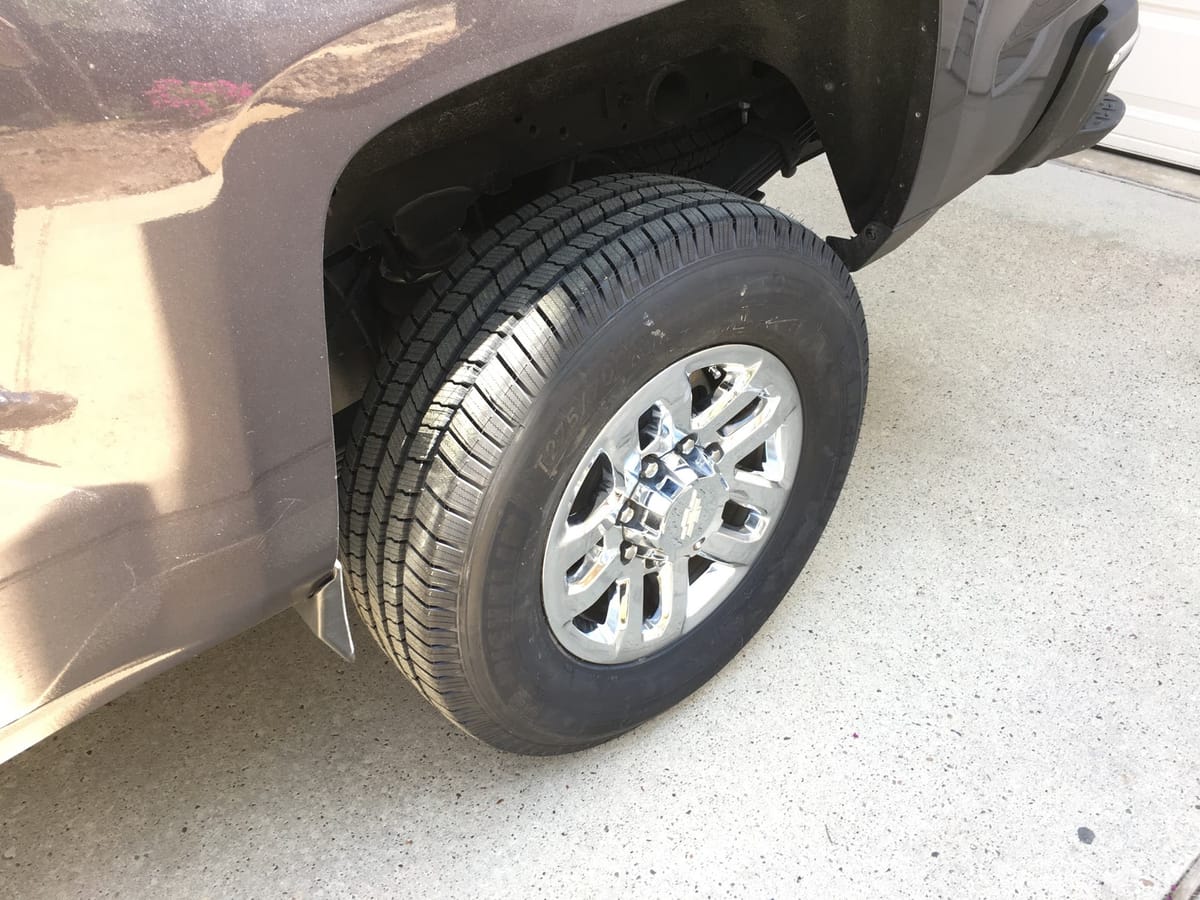
Another method is to review the tire’s ply rating. Higher ply numbers correlate with stronger sidewalls, but they also add rolling resistance. Look for a balanced ply count—often a 6‑ply construction on a low‑rolling‑resistance tire provides enough strength for a 7‑ton payload without erasing the fuel benefit. Manufacturers sometimes list “reinforced sidewall” as a feature; verify that the reinforcement is not just a marketing buzzword by checking independent test reports.
Practical steps to pick the right tire and budget for it
- List the exact GVWR and the typical payload you run. Subtract the vehicle’s curb weight to know the maximum tire load you need.
- Match that number to a load index that exceeds it by at least five percent. This buffer accounts for pressure loss and terrain‑induced stress.
- Select a low‑rolling‑resistance model whose load index meets the buffer. Use the bounce test or ply rating to confirm sidewall strength.
- Calculate the total cost of ownership. Include the purchase price range—usually several hundred to low‑four‑figure dollars per tire—plus expected mileage before replacement and the projected fuel savings. Multiply the mileage difference by your fleet’s average fuel price to see if the savings offset the higher upfront cost.
- Set a maintenance schedule that checks pressure weekly and inspects sidewalls for heat damage after each heavy load run. Consistent pressure maintenance preserves the low‑rolling‑resistance advantage and prevents premature wear.
By following this checklist, you’ll avoid the trap of buying a tire that looks good on paper but costs you extra trips, extra fuel, and extra downtime.
What to double‑check before you sign the purchase order
First, verify that the tire’s DOT code on the box matches the code stamped on the sidewall of the sample you inspected. A mismatch can indicate a mix‑up between a standard and a low‑load variant. Second, confirm the warranty terms explicitly cover load‑related failures; some manufacturers limit coverage to “normal use” and exclude high‑payload applications. Finally, ask the supplier for a copy of the latest load‑index chart and the EPA fuel‑efficiency rating, then cross‑reference both with your vehicle’s specifications. A quick cross‑check now prevents a costly correction later.
Keep reading

5‑Year TCO of an Electric Work Truck: The Real Cost per Mile
You’ll see the hidden line‑item costs that turn a cheap‑looking EV into a budget nightmare. Most guides skim depreciation and upfit electricity, so your per‑mile estimate will be way off.

Diesel vs Gas: How a 3¢/mile swing can kill your profit
You’ll see the real cost per mile difference between diesel and gasoline trucks, not the marketing hype. Most guides skip the hidden downtime and upfit penalties that actually decide which engine saves money.